

Experts Use Data to Answer This Question, Plus One Man’s Cautionary Tale to Others

The Associated Press reported on what doctor’s claim is an increasing nationwide problem. “Once celebrated as a safe alternative to alcohol or a tool for relaxation and healing, marijuana has quietly become a source of dependence for many — especially amid the spread of high-potency products.”
Is Marijuana Addictive or Not? Is it a Good Alternative for Alcoholics?
Although the health effects may not be as severe as with alcoholism, in short, yes, cannabis runs nearly an equal risk of dependency. Researchers say the widespread belief that THC isn’t addictive causes many to not recognize, or ignore the signs of dependency.
Researchers say this growing concern is a direct correlation to increased legalization, and the fact that products contain far more THC than the marijuana of recent decades, “including vape oils and concentrates that can reach 80% to 95% THC. Massachusetts, like most states, sets no limit on how strong these products can be.”
From Habit to Addiction
The same AP story shares insight into how a habit can graduate into addition. It says, “doctors warn that daily, high-potency use can cloud memory, disturb sleep, intensify anxiety or depression and trigger addiction in ways earlier generations didn’t encounter.” The report also shares that “because the consequences tend to creep in gradually — brain fog, irritability, dependence — users often miss when therapeutic use shifts into compulsion.”
Miguel Laboy’s Story
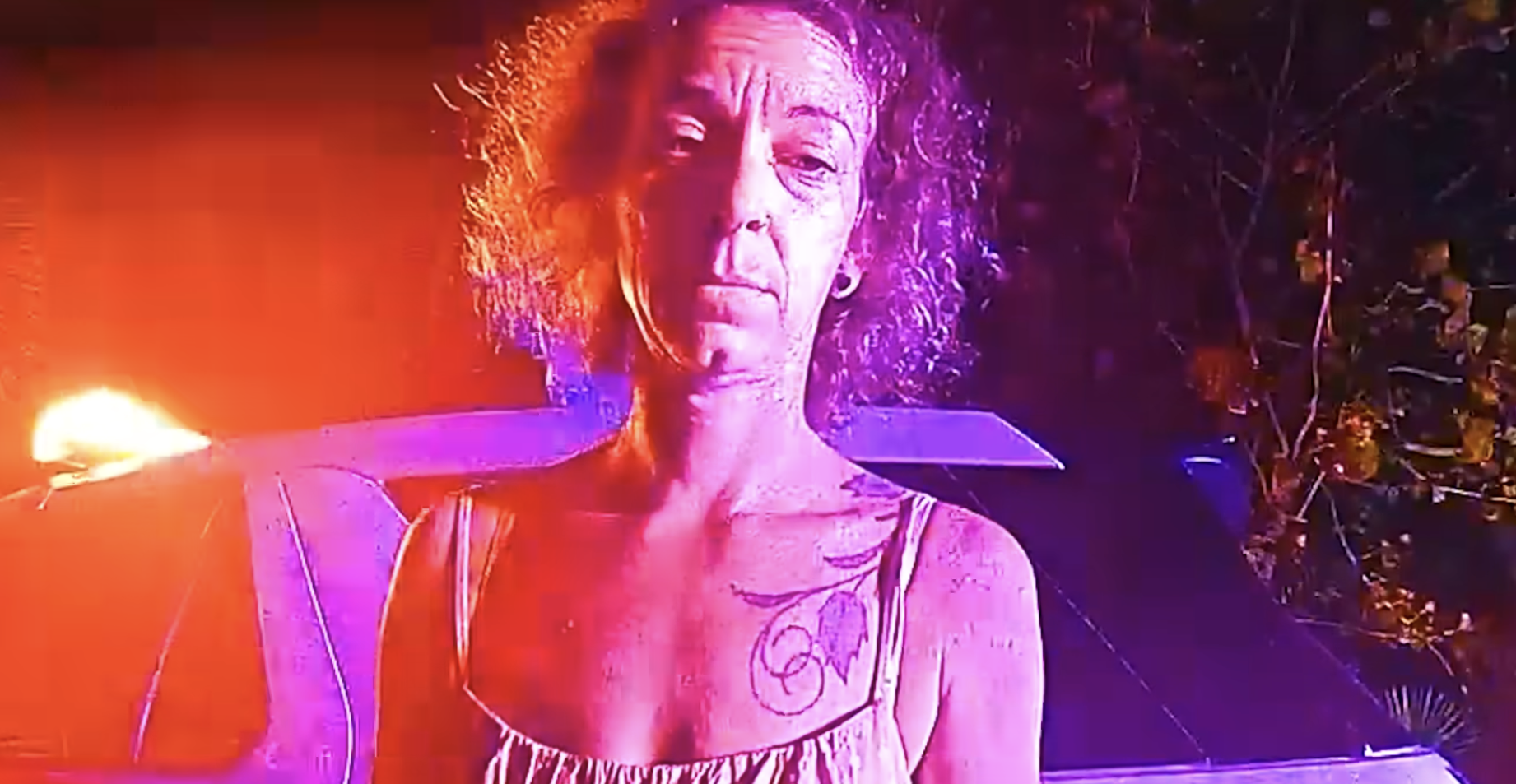
Miguel Laboy (shown above) recently spoke with AP about his experience. He said that he first smoked at 18, because marijuana soothed his symptoms of ADHD, childhood trauma and other painful experiences, such as his son’s death. Working in restaurant kitchen as a chef most of his life, he says that he considered himself to be a “functional pothead.”
Fast forward to present day, and Laboy feels very differently. He shares where things took a turn and how his use became compulsive. Laboy says that after retiring, he began vaping 85% THC cartridges. He also stated that every morning starts with coffee and smoking a joint, even though everyday he swears to himself that tomorrow will be different. Although he doesn’t like this reality, he says you’ll never see him anywhere without his vape cartridge in his hand. He says, “You know what bothers me? To have cannabis on my mind the first thing in the morning,” and that he’d “like to get up one day and not smoke. But you see how that’s going.”
Wanting to make a change, he scheduled a doctor’s appointment where he shared that he felt “depressed, unmotivated and increasingly isolated as his drinking and cannabis use escalated.” His doctor referred Laboy to a substance-use counselor, but unlike other controlled drugs and alcohol, there currently isn’t any FDA-approved medication to treat cannabis addiction.
Constant Brain Fog
A younger study group of daily cannabis users from Boston University were surveyed, who reported symptoms consistent with Laboys. A 21-year-old student says that constant brain fog was “his new normal”. He says that things he used to enjoy and tasks he was previously be able to do regularly, he can now only do “when I’m high….which is scary.”
Conclusion
Kevin Hill, a physician at a Boston-area medical center, pointed to misinformation and a lack of education as the source of the growing dependency problem. He said for some, the benefits outweigh the risk, and stated that “the conversation shouldn’t be about prohibition but about balance and informed decision-making.”


Leave a Reply